az-seotools.com / Journal
Mastering the Art of Calculate Freight Rate: A Comprehensive Guide for Logistics and Business Success
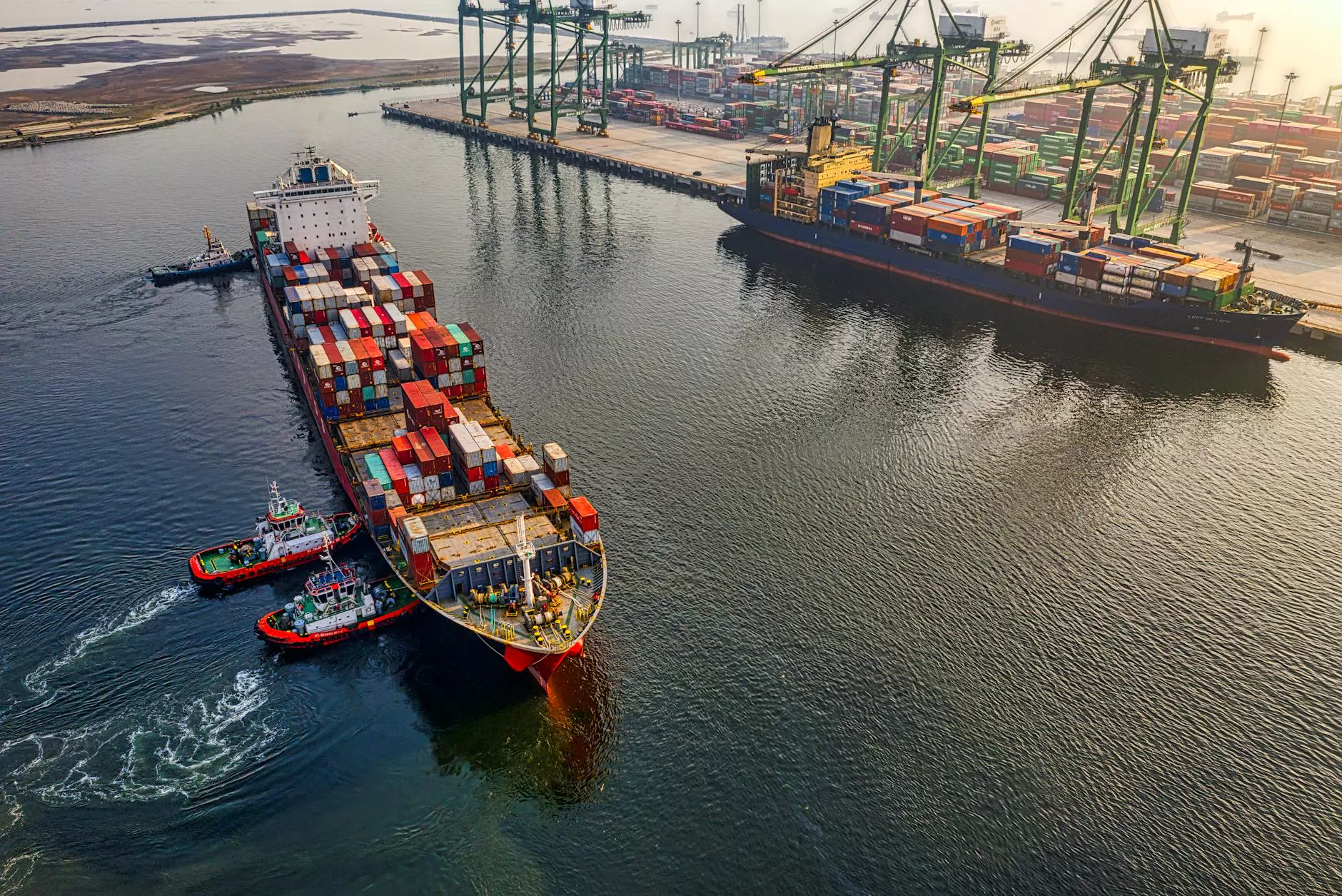
In today's rapidly evolving global economy, accurately calculating freight rate is not just a necessity but a critical factor that determines the profitability, efficiency, and competitiveness of your shipping operations. Whether managing a local shipping center, developing strategic business consulting solutions, or facilitating vehicle shipping, understanding how to calculate freight rate empowers businesses to make informed decisions, optimize costs, and improve customer satisfaction.
Understanding the Significance of Calculating Freight Rate in Business
The process of determining the freight rate involves complex calculations that encompass multiple variables, including transportation modes, distance, weight, volume, and additional service charges. Precise calculation ensures that businesses set competitive prices, cover operational costs, and maintain healthy profit margins.
In an industry highly sensitive to fluctuations in fuel prices, labor costs, and logistical challenges, mastering calculate freight rate methodologies can be the differentiator that makes your business resilient and adaptive. It is especially vital for enterprises involved in:
- Shipping Centers: Managing warehousing, distribution, and transportation of goods efficiently.
- Business Consulting: Offering expert advice on logistics optimization, cost modeling, and operational scaling.
- Vehicle Shipping: Ensuring cost-effective transport options for vehicles across regions or countries.
The Foundations of Calculating Freight Rate: Key Factors and Variables
Effective calculation of freight rates rests on understanding a variety of core factors. These variables interact to generate an accurate and fair rate that aligns with logistical realities and economic principles. Below are the primary components involved:
1. Distance and Routes
Distance is one of the most fundamental variables in freight rate calculations. Longer routes naturally incur higher costs due to increased fuel consumption, driver hours, and vehicle wear and tear. Advanced route planning tools and GPS integration help optimize routes to reduce expenses and improve delivery times.
2. Weight and Volume
The weight of cargo directly impacts fuel and handling costs. Additionally, volume—how much space a shipment occupies—is critical, especially for freight methods that charge by dimensional weight. Understanding the difference between actual weight and dimensional weight is essential for fair rate calculation.
3. Freight Class and Cargo Type
Different types of cargo, such as perishable goods, hazardous materials, or oversized items, carry unique handling requirements, insurance costs, and risk factors. Freight classification systems assign codes that influence the rate, with more complex cargo demanding higher charges.
4. Transportation Mode
Modes such as road, rail, air, and sea each have distinct cost structures. Air freight tends to be faster but more expensive, while sea freight, although slower, is often more economical for large volumes.
5. Fuel Surcharges
Fuel prices are volatile and significantly impact freight costs. Many carriers incorporate fuel surcharges into rate calculations to mitigate fluctuations and ensure sustainability.
6. Additional Services and Fees
Services like lift gate delivery, inside delivery, insurance, customs clearance, and special handling add to the overall cost. These fees must be factored into the final calculation for transparency and profitability.
Step-by-Step Process to Calculate Freight Rate
Calculating freight rate involves a systematic approach, considering all relevant variables. Here is a detailed step-by-step guide for businesses seeking to refine their rate calculations:
Step 1: Gather Accurate Shipment Details
- Weight: Measure the gross weight of the cargo.
- Dimensions: Record length, width, and height for volumetric calculations.
- Type of cargo: Determine if special handling or classification is required.
- Destination: Establish the precise delivery point or region.
- Additional services: Identify any extra requirements such as insurance, special delivery, or customs documentation.
Step 2: Calculate Dimensional Weight
If volumetric weight exceeds actual weight, use the higher figure for rate calculation. The standard formula is:
Dimensional Weight = (Length x Width x Height) / Dimensional FactorThe dimensional factor varies by transportation mode but is often 139 for inches or 5000 for centimeters in domestic freight. Use the higher of the actual weight and volumetric weight in rates.
Step 3: Determine the Base Rate
Base rates are set based on the chosen transportation mode and distance. Use established carrier tariffs or negotiate rates based on volume discounts for bulk shipments.
Step 4: Incorporate Variable Costs
- Fuel surcharges based on current fuel prices
- Handling fees for heavy or oversized cargo
- Special equipment costs for fragile or hazardous items
- Customs and documentation fees for international shipping
Step 5: Add Profit Margin and Overheads
Once all costs are calculated, add your desired profit margin and allocate a portion of overhead expenses to ensure sustainable operations.
Step 6: Finalize and Present the Freight Rate
The total sum after aggregating all elements will give you a precise, competitive, and profitable freight rate. Ensure transparency with clients by itemizing these components when providing quotes.
Advanced Techniques for Accurate Calculate Freight Rate
Beyond basic calculations, employing advanced techniques can enhance accuracy and competitiveness:
- Dynamic Pricing Algorithms: Utilize real-time data to adjust rates based on current fuel costs, demand, and market trends.
- Automation Tools: Implement software solutions that automatically process shipment data and suggest optimal rates.
- Data Analytics and Market Research: Leverage historical data and industry benchmarks to forecast costs and set strategic pricing.
- Partnerships with Carriers: Negotiate volume-based discounts anonymously to lower base costs.
Benefits of Optimizing Your Freight Rate Calculation
Proper freight rate calculation offers numerous benefits for your business:
- Cost Efficiency: Minimize unnecessary expenses through precise calculations.
- Competitive Pricing: Offer attractive, yet profitable prices to attract more clients.
- Enhanced Customer Trust: Transparent pricing builds long-term client relationships.
- Operational Flexibility: Quickly adapt to market fluctuations with dynamic rate adjustments.
- Profitability Growth: Increase margins by optimizing costs and pricing strategies.
The Role of freightrate.com in Simplifying Calculate Freight Rate
At freightrate.com, we provide an intuitive platform and expert support to help you accurately calculate freight rate across various shipping needs. Our services include:
- Real-time access to freight quotes from multiple carriers
- Advanced calculators integrating all key variables for precise estimates
- Customized consulting for business logistics optimization
- Comprehensive data analytics to forecast costs and revenues
- Support for shipping centers, vehicle logistics, and international freight
Case Studies: How Proper Freight Rate Calculation Transformed Businesses
Example 1: Shipping Center Optimization
A regional shipping hub reduced costs by 15% after implementing a data-driven rate calculation system. By accurately factoring in fuel surcharges and handling fees, they improved profit margins while maintaining competitive pricing.
Example 2: Vehicle Shipping Business Growth
A vehicle shipping company used our platform to streamline their pricing model, allowing them to offer competitive rates on international routes. This strategic adjustment caused a 25% increase in contracts within the first year.
Conclusion: Why Accurate Calculate Freight Rate Is the Cornerstone of Business Success
Mastering the art of calculate freight rate is more than just an operational necessity—it is a strategic business move that fosters growth, profitability, and customer satisfaction. By integrating accurate data, advanced tools, and market insights, businesses can navigate the logistics landscape with confidence and agility. Partnering with experts and leveraging platforms like freightrate.com ensures you're always ahead in this competitive industry.